Closed Heart & Palliative Cardiac Procedures
Closed heart and palliative cardiac procedures are specialized treatments performed to improve blood flow and reduce symptoms in patients with certain heart conditions. These procedures are often used when open-heart surgery is not immediately required or when temporary relief is needed before definitive corrective surgery.
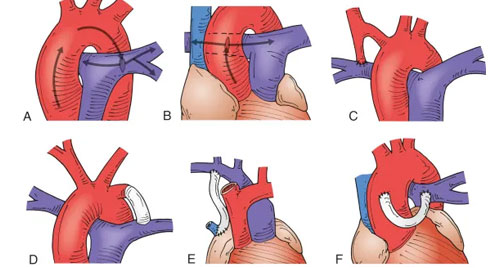
These procedures play an important role in stabilizing patients, improving oxygen levels, and supporting healthy growth—especially in infants and children with complex heart conditions.
Conditions Treated
Closed heart and palliative procedures may be recommended for:
- Congenital heart defects causing reduced blood flow
- Conditions requiring temporary symptom relief
- Heart defects needing staged surgical correction
- Critically ill newborns requiring stabilization
- Patients not immediately suitable for open-heart surgery
What Patients and Families Can Expect
Care is planned carefully to ensure safety, comfort, and effective symptom control. These procedures are often part of a larger, long-term treatment plan.
Key aspects of care include:- Thorough clinical evaluation and diagnosis
- Careful selection of appropriate palliative procedure
- Use of proven surgical techniques
- Close monitoring after the procedure
- Planning for future definitive treatment if required
Life After the Procedure
Many patients experience significant improvement in symptoms and overall well-being after palliative or closed heart procedures. Regular follow-up ensures ongoing heart health and timely planning for further treatment when needed.